
Industrial Pumps
A Complete Guide to Industrial Pump Types, Applications, and Systems
This guide is designed to help engineers, operators, and decision-makers better understand industrial pump systems and select the right solution for their application. Industrial pumps are essential for moving fluids in a wide range of applications, including oil and gas, chemical processing, manufacturing, and water treatment. Each pump type is designed to handle specific flow rates, pressures, and fluid characteristics, making it important to understand how they work and where they are best applied.
This page provides an overview of common industrial pump types, how they operate, and where they are typically used. Whether you’re comparing pump systems or looking for the right solution for your application, this guide will help you get started.
Types of Industrial Pumps
Industrial pumps can be grouped into several categories based on how they move fluid and the types of applications they serve. The two primary classifications are dynamic pumps, such as centrifugal pumps, and positive displacement pumps, including gear, diaphragm, and screw pumps.
Each pump type is designed to handle specific flow rates, pressures, and fluid characteristics, making it important to understand their differences when selecting the right solution.
The most common types of industrial pumps include centrifugal pumps, gear pumps, diaphragm pumps, screw pumps, rotary vane pumps, and axial flow pumps.
🔹 Centrifugal Pumps
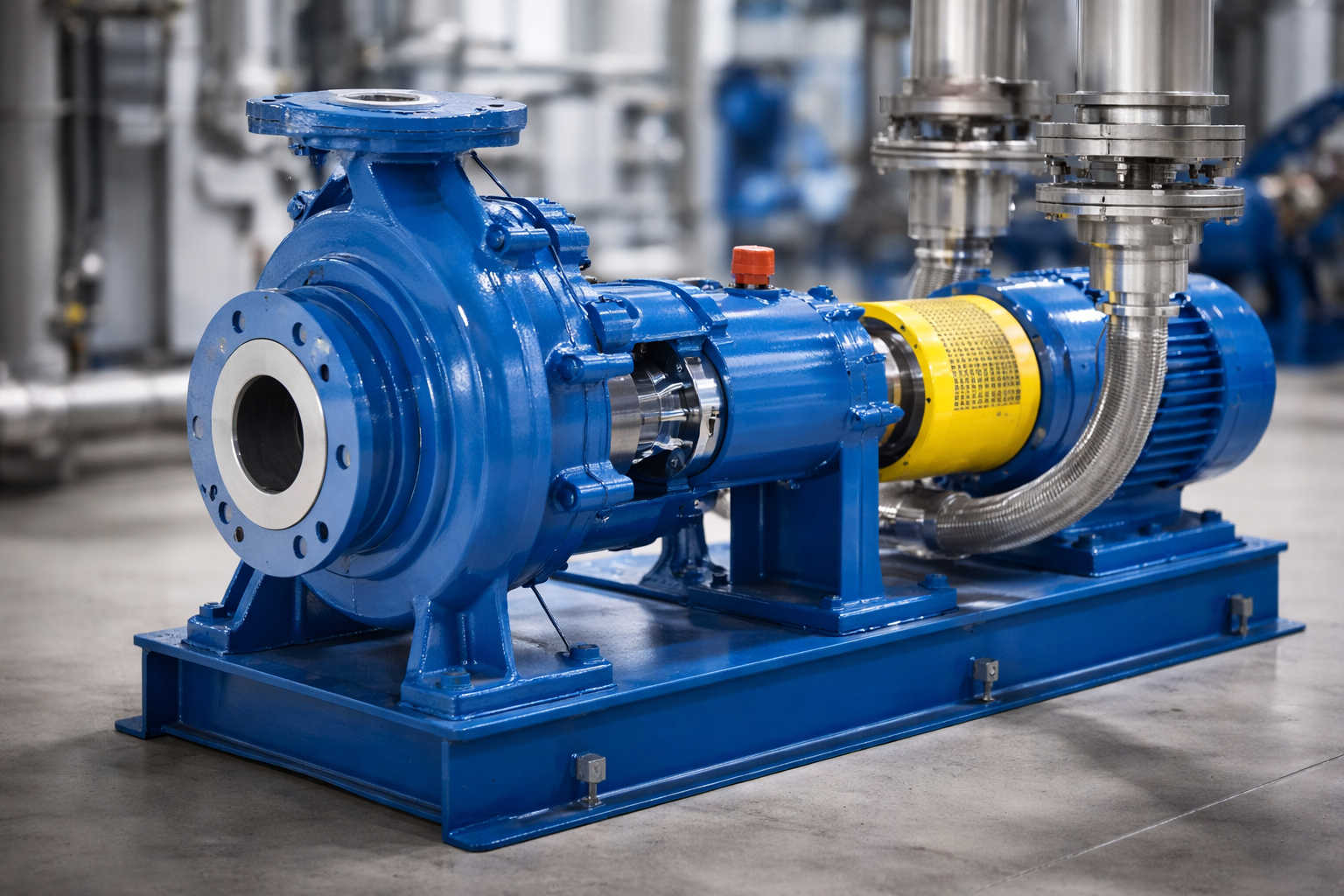
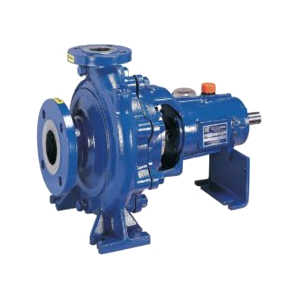
Centrifugal pumps use a rotating impeller to move fluid by converting rotational energy into velocity and pressure. They are one of the most widely used pump types and are ideal for high-flow, low-viscosity applications such as water transfer, chemical processing, and HVAC systems.
👉 Learn more about centrifugal pumps
🔹 Gear Pumps
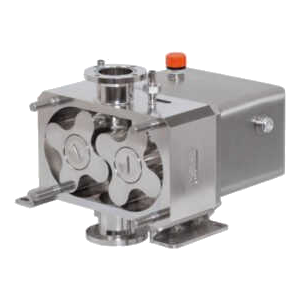
Gear pumps are positive displacement pumps that use interlocking gears to move fluid. They are highly effective for handling viscous liquids such as oils, lubricants, and chemicals. Gear pumps are commonly used in hydraulic systems and industrial machinery where consistent flow is required.
👉 Learn more about gear pumps
🔹 Diaphragm Pumps
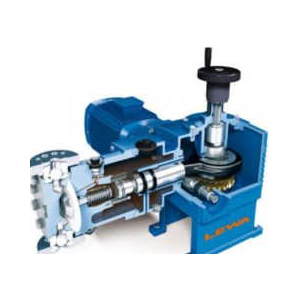
Diaphragm pumps use a flexible diaphragm and check valves to move fluid in a controlled, pulsating motion. These pumps are ideal for handling corrosive, abrasive, or hazardous fluids and are widely used in chemical processing and wastewater treatment applications.
👉 Learn more about diaphragm pumps
🔹 Screw Pumps
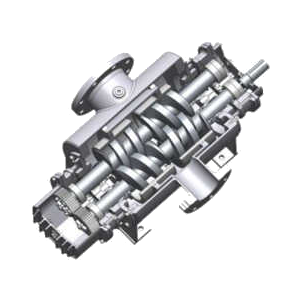
Screw pumps use one or more rotating screws to move fluid along the screw axis. They are well-suited for handling viscous fluids like oil, fuel, and sludge, providing smooth, non-pulsating flow in demanding industrial environments.
👉 Learn more about screw pumps
🔹 Rotary Vane Pumps
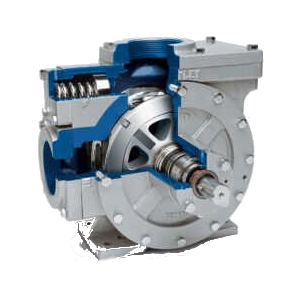
Rotary vane pumps use a rotor with sliding vanes to create suction and move fluid through the system. These pumps are commonly used in fuel transfer, refrigeration, and vacuum applications due to their reliability and compact design.
👉 Learn more about rotary vane pumps
🔹 Axial Flow Pumps
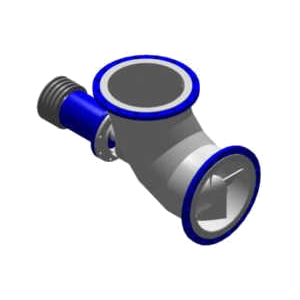
Axial flow pumps move fluid parallel to the pump shaft using a propeller-like impeller. They are designed for high flow rates at low pressure and are often used in water circulation, flood control, and irrigation systems.
👉 Learn more about axial flow pumps
How to Choose the Right Pump
Selecting the right pump depends on several key factors determined by industry standards:
Flow Rate: The volume of fluid that needs to be moved
Pressure Requirements: The force needed to move fluid through the system
Fluid Type: Including viscosity, temperature, and corrosiveness
Application Environment: Industrial conditions, safety requirements, and system design
Understanding these variables will help ensure optimal performance, efficiency, and longevity of your pump system.
Common Applications for Industrial Pumps
Industrial pumps are used across a wide range of industries, including:
Oil & Gas: Transfer of crude oil, fuel, and other hydrocarbons
Chemical Processing: Handling corrosive and hazardous materials
Water & Wastewater Treatment: Moving and filtering water at scale
Manufacturing: Supporting production processes and fluid handling
Each application requires specific pump characteristics to ensure safe and efficient operation.