

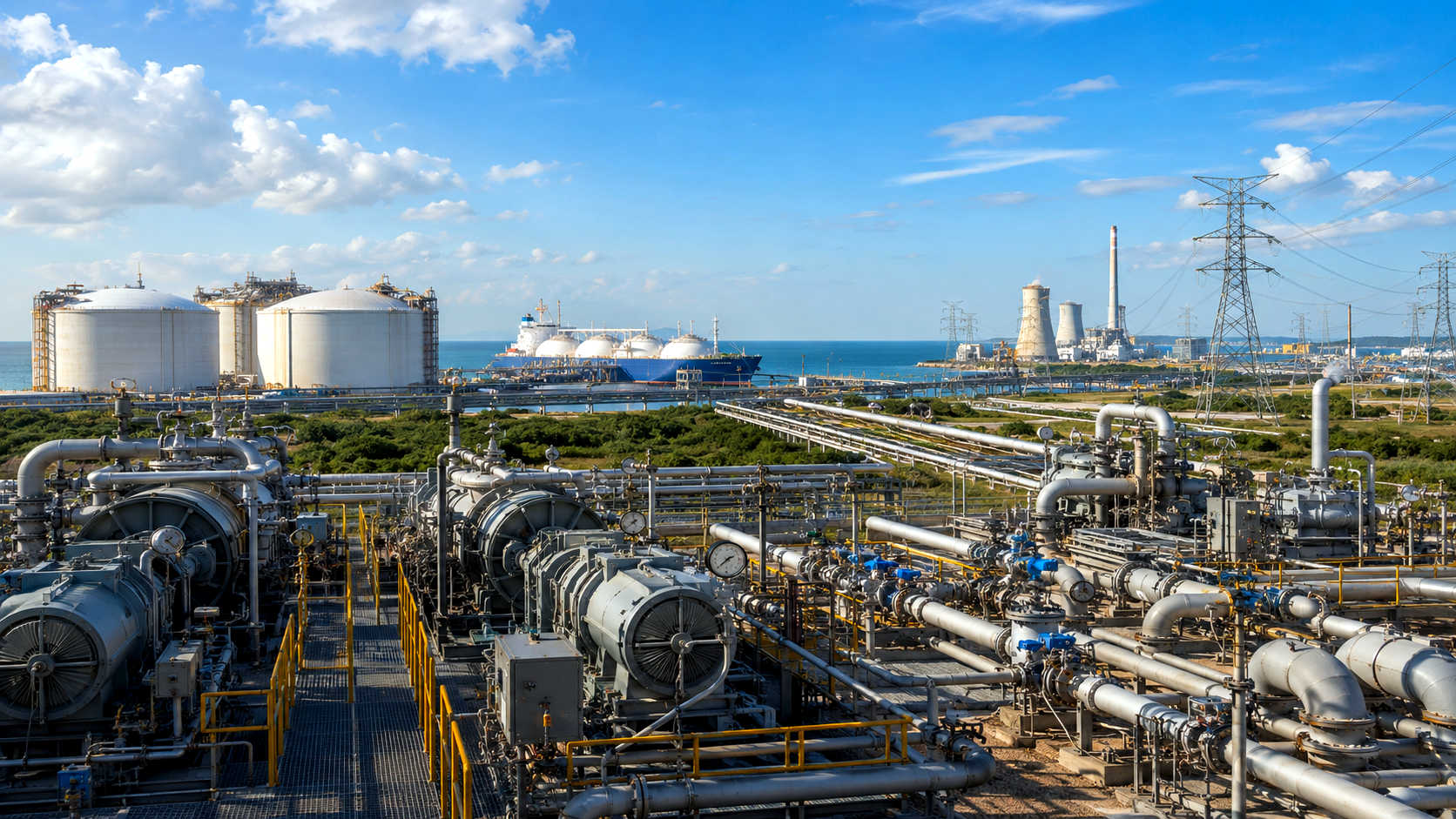
Natural Gas Pipeline Compression: It's Significance to the Oil and Gas Industry
Natural gas demand continues to grow as LNG exports expand and power demand increases worldwide. Behind the scenes, natural gas pipeline compression is becoming one of the most important parts of the oil and gas industry.
Gas compression does not always get the same attention as drilling, pipelines, or LNG terminals. But without compression, natural gas cannot move efficiently from the wellhead to the end user.
Compressors help maintain pressure. They increase flow. They help move gas through gathering systems, pipelines, processing plants, storage facilities, and export infrastructure. These natural gas compression solutions play a key role in keeping gas moving efficiently.
As demand grows, operators across the upstream and midstream sectors face an important question.
Will their current compression capacity be enough?
For many companies, this is no longer just a long-term market trend. It is a practical planning issue. Higher gas volumes, tighter uptime expectations, pipeline constraints, and growing LNG demand may require more compressor horsepower, field compression, rental compression equipment, or system upgrades.
The operators that plan ahead will be in a better position to keep gas moving.
The Quiet Backbone of Natural Gas Infrastructure
Natural gas often gets attention because of production growth, LNG exports, and power generation. But one piece of infrastructure supports all of it: gas compression.
Without compression, natural gas cannot move through the system at the right pressure or flow rate. Compressors help move gas from production sites into gathering systems. They support pipeline transportation. They also help processing facilities, storage systems, and LNG export terminals operate more efficiently.
As energy demand changes, natural gas pipeline compression systems are becoming more important. The coming decade could bring major growth in natural gas compression capacity. Two major forces are driving that growth: LNG export expansion and rising electricity demand.
For operators preparing for higher gas volumes, production growth, or pressure-related bottlenecks, now is the time to evaluate compression needs. Midwest Compressor Systems helps operators think through practical compression options, including rental equipment, field compression support, and solutions designed to keep gas moving efficiently.
If compression capacity falls behind, operators may face pressure issues, flow restrictions, downtime, or production bottlenecks.
LNG Export Growth Is Reshaping Gas Infrastructure
One of the biggest drivers behind compression demand is the growth of liquefied natural gas, also known as LNG.
Over the past decade, LNG has changed global energy markets. Many countries need reliable energy supplies. They also want fuel sources that can support lower-emission power generation compared to coal. Because of this, natural gas has become a major part of global energy planning.
LNG projects have expanded across North America, the Middle East, and Asia. In the United States, U.S. LNG exports are forecast to grow as new facilities ramp up and global demand remains strong. Several new terminals are also under development or construction.
LNG infrastructure also depends on major regulatory and pipeline planning. FERC plays a key role in authorizing LNG export facilities and interstate natural gas transportation.
Each LNG project requires major natural gas pipeline compression infrastructure, including:
- High-horsepower pipeline compressors feeding export terminals
- Booster compressors along transmission pipelines
- Process compressors inside liquefaction plants
- Compression used in storage and gas treatment systems
The amount of compression needed for LNG infrastructure is significant. Moving large volumes of natural gas from inland production basins to coastal export terminals requires stable pressure and consistent flow rates.
That cannot happen without reliable natural gas pipeline compression.
For producers and midstream operators that support LNG-driven demand, compression planning becomes a capacity issue. If gathering systems, booster stations, or pipelines cannot keep up, operators may face delayed gas movement or production limits.
In those situations, supplemental compression can help. Natural gas compressor rentals, modular compression packages, and field-ready compressor units can give operators more flexibility while they evaluate permanent infrastructure or long-term upgrades.
Power Demand Is Creating Another Wave of Gas Growth
LNG exports are not the only driver of natural gas demand. Power demand is also rising.
Electricity use is growing because of several factors, including population growth, industrial activity, and data centers. According to EIA projections, data center electricity use is projected to increase across the commercial building stock.
- Population growth
- Industrial activity
- Data centers and AI infrastructure
- Electrification of transportation and equipment
- Economic growth in developing markets
Renewable energy continues to grow, but natural gas remains an important source of reliable power. Gas-fired power plants can respond quickly when wind or solar generation changes. This makes natural gas a key part of grid stability.
As power demand rises, more gas must move through pipelines and storage systems. That creates more demand for compression horsepower.
More gas moving through the system means operators need enough compression to maintain pressure and flow. In many regions, existing compressor stations are already being expanded or upgraded to support higher volumes.
This creates a clear planning need for upstream and midstream companies. Operators must understand whether their current natural gas pipeline compression systems can support future demand. If they cannot, they may need to add compressor horsepower, rent additional compression equipment, or upgrade existing compressor stations.
Midstream Operators Are Scaling Compression Fleets
Midstream companies sit at the center of this growth.
Pipeline operators and gas gathering companies are investing in:
- New compressor stations
- Upgrades to existing natural gas pipeline compression facilities
- High-efficiency compressor equipment
- Electrified compression systems
- Remote monitoring
- Predictive maintenance
Large compressor fleets are no longer viewed as basic support equipment. They are becoming strategic infrastructure assets.
In many producing basins, gathering systems rely on compression to move gas from wellheads into processing plants and transmission pipelines. As drilling activity increases and gas production grows, these systems need more compression capacity.
For midstream teams, the decision is often not whether they need compression. The real question is how quickly they can add capacity.
Compressor rentals and modular compression equipment can help operators respond faster. They can support changing gas volumes without waiting for permanent infrastructure projects to be completed. This flexibility matters in active producing regions where drilling activity, pipeline constraints, and gas demand can change quickly.
What Operators Should Evaluate Before Demand Outpaces Capacity
As compression demand grows, operators should take a closer look at the natural gas pipeline compression systems they already have in place.
Key questions include:
- Is existing compression horsepower enough for projected gas volumes?
- Are current compressors causing downtime or maintenance issues?
- Are pressure constraints limiting production?
- Are gathering systems struggling to move gas efficiently?
- Would rental compression provide more flexibility?
- Are field conditions changing faster than permanent infrastructure can be built?
- Could additional compression improve flow, uptime, or gas movement?
The best time to review compression needs is before production is limited by infrastructure problems.
A proactive review can help determine the right next step. In some cases, the answer may be a temporary rental compressor. In others, it may be a fleet expansion, a compressor station upgrade, or compressor packages for sale, lease, and rent.
The goal is simple. Operators need enough compression capacity to keep gas moving safely, efficiently, and consistently.
Efficiency and Technology Are Changing Compression
The next generation of gas compression is also becoming more advanced.
Operators are using new technology to improve performance, reduce downtime, and support emissions-conscious compression solutions.
Common improvements include:
Electrified Compression
Electric-driven compressors can help reduce emissions and improve efficiency in areas where power supply is available.
Advanced Compressor Equipment
Modern compressor designs can deliver more horsepower, better fuel efficiency, and improved performance in demanding field conditions.
Remote Monitoring
Digital monitoring allows operators to track compressor performance in real time. This can help identify issues before they lead to downtime.
Predictive Maintenance
Data-driven maintenance tools can help operators plan service more effectively. This can reduce unexpected failures and improve uptime.
Lower-Emission Equipment
Newer compressor systems can help operators meet operational and regulatory requirements while supporting more efficient gas movement.
These improvements matter because natural gas pipeline compression must do more than move gas. It must also support reliability, efficiency, uptime, and environmental performance.
Compression’s Role in the Energy Transition
Compression infrastructure may also play a role in the broader energy transition.
Many pipelines and compressor systems being built today could eventually support other gas movement needs, such as:
- Hydrogen blending
- Carbon capture and CO₂ transport
- Renewable natural gas distribution
- Future energy storage systems
Compressors are essential for moving gases under pressure. Because of that, the equipment and expertise used in natural gas pipeline compression may also support future energy systems.
This does not reduce the importance of natural gas compression today. Instead, it shows how compression may remain valuable as energy markets change.
A Growing Opportunity Across the Industry
The growth in natural gas demand is creating opportunities across the oil and gas sector. Compression sits at the center of that growth.
It connects:
- Upstream production
- Gas gathering systems
- Midstream pipelines
- LNG export infrastructure
- Storage systems
- Power generation demand
As LNG markets expand and electricity demand rises, the need for reliable gas transportation will continue to grow. That means the demand for compression will grow as well.
For operators, this creates a clear need to plan ahead. Compression capacity should not be treated as an afterthought. It should be part of production planning, infrastructure planning, and long-term growth strategy.
The companies that prepare early will be better equipped to manage higher gas volumes, avoid bottlenecks, and keep production moving.
Frequently Asked Questions
What is natural gas pipeline compression?
Natural gas pipeline compression uses compressor equipment to increase pressure and keep gas moving through gathering systems, transmission pipelines, processing facilities, storage systems, and export infrastructure. It helps maintain flow when gas travels long distances or when demand increases.
Why is LNG growth increasing the need for gas compression?
LNG export growth requires large volumes of natural gas to move from production basins to coastal export terminals. That movement depends on reliable compression to maintain pressure, support flow rates, and reduce bottlenecks across gathering and pipeline systems.
When should operators evaluate compression capacity?
Operators should evaluate compression capacity before higher gas volumes create pressure issues, downtime, or production limits. A proactive review can help determine whether additional horsepower, rental compression, system upgrades, or long-term infrastructure planning is needed.
Can rental compression help with rising gas volumes?
Yes. Rental compression can help operators respond to changing gas volumes, temporary production increases, pipeline constraints, or infrastructure delays. It gives teams more flexibility while they evaluate permanent compressor upgrades or longer-term compression strategies.
Final Thoughts
Natural gas compression rarely gets the spotlight. But it remains one of the most important parts of the natural gas system.
As LNG exports grow and electricity demand increases, compression capacity will be critical. Operators will need reliable systems that can support higher flow rates, maintain pressure, reduce downtime, and adapt to changing field conditions.
The next phase of natural gas growth will not only depend on how much gas the industry can produce. It will also depend on how effectively that gas can move.
For operators preparing for higher gas volumes, production growth, or pressure-related bottlenecks, now is the time to evaluate compression needs. Midwest Compressor Systems helps operators think through practical compression options, including rental equipment, field compression support, and solutions designed to keep gas moving efficiently.